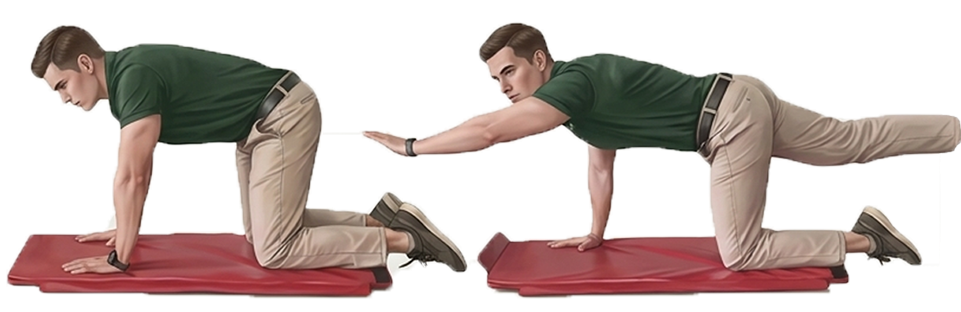
Lower Back Control
Core control, hip strength, and movement confidence for lower back pain and stiffness.
 WhatsApp
Programs
These examples show the kind of guided progressions the practice can build. Final exercise choices should always match the assessment findings and medical history.
Core control, hip strength, and movement confidence for lower back pain and stiffness.
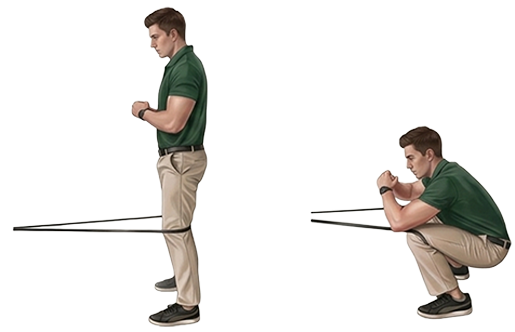
Controlled lower-limb loading for knee pain, tendon care, and return to daily activity.
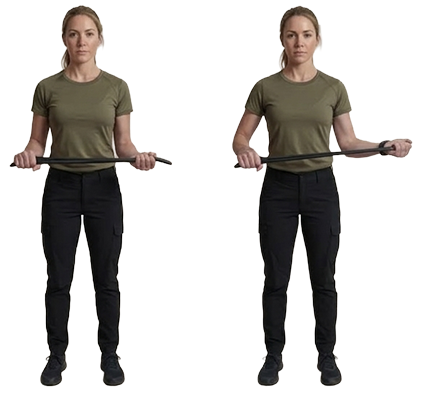
Rotator cuff control, shoulder stability, and progressive upper-body strengthening.
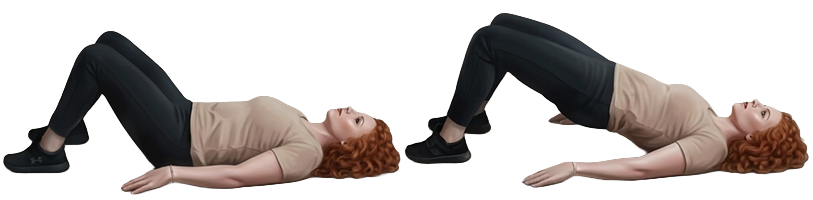
Mobility, glute activation, and movement preparation for walking, training, and sport.
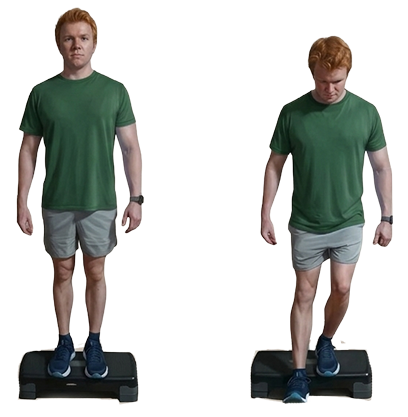
Single-leg control, coordination, and confidence for safer daily movement.
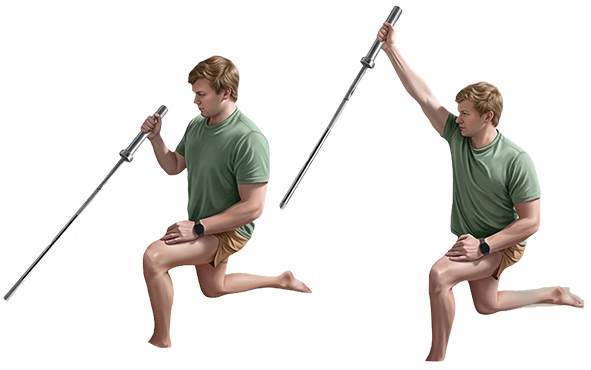
Strength, control, and progressive loading for active patients returning to training.
Patient journey
Review symptoms, history, movement, strength, and goals.
Select exercises that match the current recovery stage.
Refine technique and confidence during guided sessions.
Adjust difficulty, loading, and goals as movement improves.
Referrals
Bring reports, imaging notes, medication information, and comfortable clothes for movement.
Referral notes can be sent to the practice email. Progress feedback can be shared when appropriate.
Programs are reviewed and adjusted according to pain response, strength, confidence, and goals.